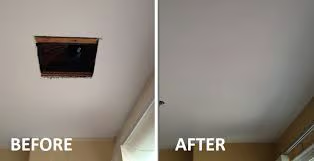
DIY drywall repair made simpler

Find the Right Sheetrock Repair Kit for Your Wall

Small holes, dents, cracks, and damaged drywall do not always require a full renovation. Explore popular sheetrock repair kit options, learn the basics, and decide whether DIY is right for your repair.

✓ Compare common kit types✓ Beginner-friendly instructions✓ Free local repair quotes

Common DIY repairs

  • Nail and screw holes
  • Door knob holes
  • Small cracks and dents
  • Minor water-damage patches
See the repair process →
DIY GuidanceSimple repair steps
Kit ComparisonsFor common wall damage
Free QuotesWhen DIY is not the answer

Choose by damage type

Popular Sheetrock Repair Kit Options

The best sheetrock repair kit depends on the size, depth, and location of the damage. Most kits combine patch material, joint compound or spackle, a putty knife, and sanding supplies.

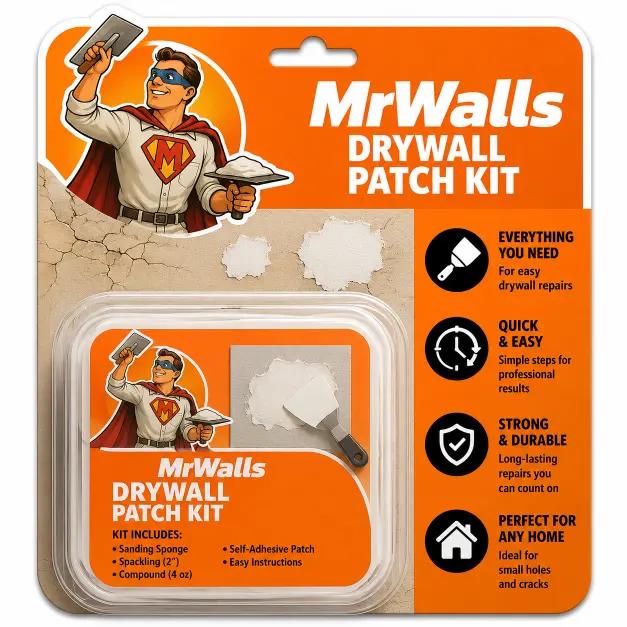
Gorilla Heavy Duty Wall Repair Kit

Complete Kit: Includes spackling, self-adhesive patch, putty knife, and sanding block for all your repair needs.

  • Fast Drying: Paintable in just 15 minutes for quick and efficient repairs.
  • Durable Repairs: Strong and durable repairs on walls, ceilings, and holes, both small and large.
  • Negatives: Only good for small hole the size of a doorknob designed by an engineer not an experienced Drywall Finisher.
Best for small holes →

Dap Wall Repair Kit

The Wall Repair Patch Kit featuring DRYDEX Dry Time Indicator Spackling comes with all of the tools needed to complete a wall-patching project. This kit may be used to repair holes up to 3 inches in diameter in drywall, plaster or masonry surfaces. 

  • Goes on pink and dries white
  • No priming required
  • Negatives: Only good for small hole the size of a doorknob designed by an engineer not an experienced Drywall Finisher.
Get A Quote Instead→

Basic DIY method

How to Use a Sheetrock Repair Kit

Always read the instructions included with your specific kit. The process below covers a typical repair using spackle or a self-adhesive wall patch.

1

Clean and prepare the area

Remove loose paper, crumbling drywall, dust, and uneven edges around the damaged spot.

2

Apply the patch or filler

Use spackle for small holes. For a larger opening, center a mesh patch over the hole first.

3

Spread joint compound

Use a putty knife to apply thin, smooth layers, feathering the edges beyond the patch.

4

Dry, sand, and repeat

Let each coat dry fully, sand lightly, and add another thin coat as needed for a smooth finish.

5

Prime and paint

Prime the repaired spot before painting to help create an even color and sheen.

DIY or professional repair?

Choose the Option That Fits Your Project

Try a Sheetrock Repair Kit If:

  • The hole or dent is small and dry
  • You have time for drying and sanding
  • You are comfortable doing touch-up painting
  • The wall has no signs of structural damage

Request a Pro If:

  • The repair is large, deep, or complicated
  • You need a seamless texture match
  • Moisture or water damage may be involved
  • You want the repair completed without DIY work

No-obligation help

Not Taking the DIY Route?

Tell us about your wall damage and get connected with a drywall repair professional for a free quote. It is a simple way to compare your options before starting the job.

✓ Free quote request✓ No obligation✓ Help for small and large repairs

Get Your Free Repair Quote

By submitting, you agree to be contacted regarding your request. Add your full privacy and consent language here.

Common questions

Sheetrock Repair Kit FAQ

What is included in a sheetrock repair kit?

Many kits include a patch or mesh screen, spackle or joint compound, a putty knife, sanding material, and sometimes primer or paint touch-up tools.

Can I repair a hole in drywall without a patch?

Very small holes can often be filled with spackle. Larger holes usually benefit from mesh, a patch panel, or another backing material to support the compound.

How long does drywall patch repair take?

The active work may be short, but drying time between compound coats can extend the project. Larger repairs often require multiple coats and sanding sessions.

When should I hire a drywall repair professional?

Consider a professional for large holes, recurring cracks, suspected moisture damage, texture matching, or any repair where wiring, plumbing, or structural issues may be involved.